support@registrationkraft.com


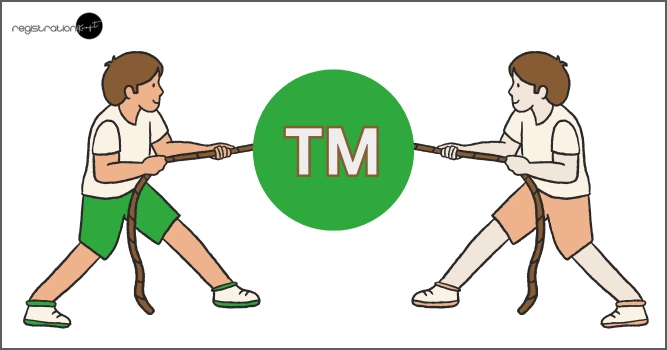

Trademark opposition is a formal legal process that allows any person or organization to challenge the registration of a trademark. It comes into play after the trademark is published in the Trademark Journal but before it is officially registered.
The aim of opposition is to ensure that marks which are confusingly similar, deceptive, or non-distinctive do not get registered, protecting both businesses and consumers.
Who Can File a Trademark Opposition?
One of the unique aspects of trademark opposition is that any person can file it—not just the owner of an existing registered mark. This means:
- Individuals, businesses, or other organizations can oppose.
- The opposition must be filed within four months of publication in the Trademark Journal.
- The process begins when an opposition is filed before the Trademark Registry, which then initiates proceedings.
Grounds for Trademark Opposition
A trademark may be opposed on multiple grounds, such as:
- Lack of distinctiveness – The mark cannot uniquely identify goods/services.
- Similarity with existing marks – Visual, phonetic, or conceptual similarity that may confuse consumers.
- Deceptive or misleading nature – Marks that mislead about quality, origin, or characteristics.
- Infringement of rights – Marks that conflict with well-known or earlier registered marks.
- Bad faith application – If the mark was applied for with dishonest intent.
Legal Provisions and Rules
Trademark opposition in India is governed by:
- The Trade Marks Act, 1999
- The Trade Marks Rules, 2017
Key Highlights:
- Section 21 of the Act – Allows any person to file an opposition within four months of publication.
- Section 9(1) & Section 11 – Define grounds such as lack of distinctiveness and likelihood of confusion.
- Rule 43 of the Rules, 2017 – Prescribes Form TM-O for filing opposition.
Format of a Trademark Opposition
To file a valid opposition, the notice (Form TM-O) must contain:
- Details of opponent & applicant – Name, address, and legal status.
- Trademark information – Application number, class, goods/services.
- Grounds of opposition – Clearly explained legal and factual reasons.
- Supporting evidence – Affidavits, proof of prior use, promotional material, examination reports, etc.
- Service address – Mandatory if the opponent has no place of business in India.
Step-by-Step Trademark Opposition Process
- Filing the Opposition
- Submit Form TM-O with details and grounds.
- Submit Form TM-O with details and grounds.
- Counter-Statement by Applicant
- The applicant must respond within two months.
- If no response is filed, the application is deemed abandoned.
- The applicant must respond within two months.
- Evidence Submission
- Both parties submit supporting documents and affidavits.
- Both parties submit supporting documents and affidavits.
- Hearing (if required)
- The Registrar may call both parties for a hearing.
- The Registrar may call both parties for a hearing.
- Decision by Registrar
- Based on evidence and arguments, the Registrar will either accept or reject the trademark application.
In short: Trademark opposition acts as a safeguard to prevent wrongful registrations, protect existing rights, and ensure fair competition in the marketplace.